![Selling A House With Delinquent Property Taxes [market_city]](https://image-cdn.carrot.com/eyJidWNrZXQiOiJwcm9kdWN0aW9uLmNhcnJvdC11cGxvYWRzLm9uY2Fycm90LmNvbSIsImtleSI6InVwbG9hZHMvc2l0ZXMvODE5MzIvMjAyNi8wNy9TZWxsaW5nLUEtSG91c2UtV2l0aC1EZWxpbnF1ZW50LVByb3BlcnR5LVRheGVzLnBuZyIsImVkaXRzIjp7InJlc2l6ZSI6eyJ3aWR0aCI6MTE1Mn0sInRvRm9ybWF0Ijoid2VicCIsIndlYnAiOnsicXVhbGl0eSI6NzB9fX0=)
Most people sitting on delinquent property taxes don’t wake up one morning and decide to fall behind. Life happens: a job disappears, a medical bill lands, or a divorce splits the household income in two. Before you know it, January 6th passes, interest starts stacking, and you’re staring at a notice from the county that uses words like “foreclosure” and “judgment.” If that’s where you are right now, keep reading. Your options are wider than you probably think.
Understanding Delinquent Property Taxes and What They Mean for Your Home Sale
Sit down with me at your kitchen table for a second. Delinquent property taxes don’t mean your house is gone. They mean the clock is running, and every month you wait, the debt gets heavier, which means a balance that was manageable six months ago can double with penalties and interest.
Property taxes in North Carolina are technically due on September 1st, but the state gives you a grace period through January 5th before interest kicks in. Starting January 6th, the penalty is 2% for that first month. After that, it compounds at three quarters of a percent for every additional month the balance sits unpaid. It sounds small until you’re a year or two behind, and then you realize the interest alone (on top of the original balance) has added a real number to what you owe.
What I keep seeing is sellers who wait because they’re embarrassed or overwhelmed by the notices. By the time they reach out, fees, court costs, and attorney charges from the county’s collection process have turned a $4,000 tax bill into something much harder to manage. Debt is always easier to deal with at month three than at month eighteen.
North Carolina’s housing market has shifted into a more balanced state, with a median sales price sitting close to $382,500. That means most homeowners sitting on delinquent taxes still have real equity to protect, which makes selling, even quickly (and I’ve seen sellers surprised by how much they walked away with), a genuinely smart move.
The Crawford family in Huntersville called me last month on a Thursday. They were three months behind, an auction date was already scheduled, and the garage was still packed with furniture from a partial move that never finished. We closed before the auction date, and they walked away with equity in their pocket instead of losing the property entirely, which almost never happens once an auction gets scheduled.
What Happens When You Have Delinquent Property Taxes in North Carolina?
Some sellers push back and say: “I’ve been behind before and nothing happened.” That’s fair. Counties don’t all move at the same speed, but the legal authority is always there, and at some point every county uses it.
Once a real property tax bill becomes delinquent in North Carolina, the tax collector has the legal authority to foreclose on the tax lien. Under North Carolina statutes, counties can begin public delinquency enforcement after just one year of non-payment. Wake County, Mecklenburg, Guilford, and most other counties maintain active foreclosure pipelines. This is not a rare or extreme outcome reserved for extreme cases.
The tax collector is also empowered to seize tax refunds and lottery winnings, garnish funds, levy personal property, and foreclose on real property to satisfy unpaid taxes.
What rarely gets explained is that when the county forecloses on a tax lien, your mortgage lender finds out too. A foreclosure filing is a public record, and lenders monitor them. Your mortgage may be current while your taxes aren’t, but your lender may step in and pay the taxes on your behalf, then bill you for it. Adding another layer of debt you didn’t see coming is exactly what that does.
By May 2026, the median home price in North Carolina had reached $378,655, a 1% increase from the previous year. That means many homeowners facing foreclosure may still have valuable equity to protect if they act before the foreclosure sale is finalized. Once the auction is complete, that opportunity can disappear, making timing one of the few factors you can still control. If you’re looking for a faster way to avoid foreclosure and preserve your equity,we buy houses in North Carolina in any condition and can provide a fair cash offer with a quick closing timeline.
What Are Your Options When You Can’t Pay Property Taxes in North Carolina?
A homeowner in the Belmont area called me last summer. She was 14 months behind on taxes, had already missed a court hearing, and had one viable option left: sell before the redemption window closed. We closed fast enough to keep the deed in her name.
Most homeowners in that spot have more options than they realize, but the menu shrinks with time. Here’s what actually exists:
Pay the balance in full. Having savings, a family loan, or home equity you can tap, paying the tax collector directly stops the clock instantly. Simple, clean, done.
Work out a repayment plan. Many counties in North Carolina will negotiate a payment arrangement on delinquent property taxes, especially if you’ve never gone through foreclosure before. Call your county tax office directly. Durham County, Wake County, and Forsyth County all have programs for this. Get it in writing.
Refinance or take a HELOC. If you have equity and decent credit, a cash-out refinance can pull money to clear the tax lien and roll everything into one monthly payment. The lender will require the lien to be paid at or before closing, so this only works if the foreclosure hasn’t progressed too far (check your notice letters for exact dates).
Sell the house. This is where many people land, and it’s not a defeat. If the debt has grown beyond what you can manage, selling lets you pay off the tax lien at closing, clear any other liens, and walk away with whatever equity remains. If the property is a rental, choosing to sell your rental property can also help you resolve the tax debt before it grows further. A cash buyer like North Shore Cash Offers can close fast enough to beat a foreclosure auction date, which a traditional listing often can’t.
North Carolina Laws That Apply to Property Tax Debt and Foreclosure

The two statutes that govern how North Carolina counties foreclose on delinquent property taxes are G.S. 105-374, which covers foreclosure in the nature of a mortgage foreclosure, and G.S. 105-375, which governs the in rem foreclosure process. Counties and their attorneys choose the route based on the title profile, the amount owed, and local practice. In many counties, the in rem process moves faster than a traditional judicial foreclosure because it bypasses some individual-notice requirements (a detail that trips up a lot of title searches).
Unlike states where investors purchase tax lien certificates directly from counties at public auctions, North Carolina doesn’t operate that way. The local government unit itself enforces the tax lien through statutory foreclosure mechanisms. Your debt doesn’t get sold to a private investor who can then pressure you separately. The county controls it.
Property tax liens in North Carolina arise and attach on January 1st each year. This lien is senior to almost everything else on the title, including most mortgage liens. When a house sells, the tax lien gets paid first before any other creditor sees a dime. Buyers and their lenders know this (title companies flag it immediately), which is why delinquent taxes must be resolved at or before any closing.
Before listing your property, it’s worth checking for any unpaid property taxes. In North Carolina, counties can pursue delinquent property taxes for up to 10 years through foreclosure actions. That means an old tax balance you assumed was resolved—or even one tied to a previous owner—can surface during the title search and delay your closing. If you need to sell your house fast in Fayetteville, resolving title issues early can save valuable time, and a direct home buyer may be able to provide a faster, more straightforward solution.
How Does the Foreclosure Process Work in North Carolina?
A seller in Greensboro reached out after receiving a judgment notice. She had maybe sixty days before the auction. By the time we closed, the tax lien, court costs, and accrued interest were all paid through escrow, and she left with a check.
After a county files suit and a court enters judgment, the Sheriff’s Office conducts the public auction approximately four months after the judgment is docketed. Notice of the sale gets advertised in local newspapers and posted at the courthouse at least 20 days before the auction date. Those days feel shorter than they are.
At the auction, the county submits an opening bid equal to the delinquent taxes owed, including interest, fees, and attorney’s costs. Other bidders can then compete above that number. If nobody bids higher, the county takes the property.
After a winning bid is placed, North Carolina law provides an upset-bid period during which any other party can submit a higher offer, typically at least 5% above the last accepted bid. This process keeps cycling until no new bids come in, leaving the timeline stretching longer than most buyers expect. A homeowner who still owns the property during this period can pay off the total debt to stop the foreclosure and reclaim the home, but that window closes permanently once the deed transfers.
Where Are Upcoming Foreclosure Sales Located in North Carolina?
So where do you actually find the list for your county? Each county courthouse posts its own foreclosure sale list. Wake County publishes notices in The News and Observer and on the bulletin board inside the Salisbury Street entrance of the Wake County Courthouse. Mecklenburg County posts properties identified as eligible for foreclosure at Tax.MeckNC.gov. Guilford, Cumberland, and most other counties follow a similar public-notice approach through local newspapers and the county clerk’s office (worth a phone call before you drive out).
The North Carolina Courts system also maintains civil case records online, and because tax foreclosure cases move through the court system, you can often search by county and case type to find active filings.
As of recent data, North Carolina had roughly 4,893 properties in some stage of foreclosure statewide. Checking the list in your specific county gives you the clearest picture of your timeline.
If you’re behind on taxes and wondering whether your own property has appeared on a list, you can contact your county tax office by phone, search the clerk of court records online, or reach out to North Shore Cash Offers, and we can help you figure out exactly where things stand.
How to Find and Browse Properties Facing Foreclosure Sales in North Carolina
Beyond the county-level courthouse lists, the NC Department of Revenue maintains guidance on property tax collections. Real estate platforms like Zillow and Redfin also tag pre-foreclosure properties in their listings, though those databases lag behind what’s filed at the courthouse.
The median days on market in North Carolina was 62 days as of May 2026. A house priced on the MLS today in a mid market neighborhood might sit for eight weeks before closing, and that timeline alone can sink you before an offer even comes in. If your foreclosure auction is in six weeks, the math doesn’t work.
For sellers racing a deadline, the goal isn’t browsing pre-foreclosure listings. It’s selling before the deadline. Cash buyers operate completely outside the MLS timeline. No lender approval required, no appraisal contingency, no 45 day closing pipeline.
Tom Holloway in Mooresville listed his house twice with two different agents over fourteen months. Neither listing sold, even though the house had a workshop in the garage that should have attracted buyers quickly. While those listings sat, his delinquent tax balance kept growing. When he finally called us on a Monday, we made an offer by Wednesday and closed before the month was out, which is about as fast as I’ve seen a title company move.
How a Real Estate Attorney Can Help with Tax Delinquency in North Carolina
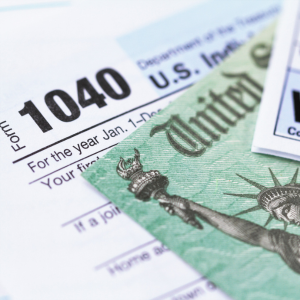
An attorney doesn’t just file paperwork. A good one can stop a foreclosure sale cold if the county made a procedural error in its notice or filing.
Real estate attorneys in North Carolina who handle tax foreclosure cases can review the county’s filing for defects, negotiate directly with the tax collector’s office on repayment terms, and advise on whether a bankruptcy filing might pause the foreclosure clock long enough to arrange a sale. That’s not a recommendation to file bankruptcy, but it’s a tool that exists, and not all sellers know about it.
Attorney fees for a basic title review and tax lien consultation in North Carolina typically run a few hundred dollars. That’s a small cost compared to the equity you might lose by guessing at the process on your own.The NC Bar Association’s Lawyer Referral Service connects property owners with attorneys who specialize in real property law (not just general practice attorneys).
One thing attorneys catch that sellers almost always miss: liens that aren’t tax related. A mechanics lien from an unpaid contractor, an HOA judgment, or a second mortgage can all sit on title alongside the property tax lien. At closing, every lien has to be resolved. Knowing early gives you time to negotiate.
When you work with North Shore Cash Offers, you’re working with a team that buys houses for cash and coordinates closely with title companies and attorneys throughout the process. That means potential title issues are identified and factored into the offer upfront, helping reduce last minute surprises at closing. If you’re looking for a straightforward sale without unnecessary delays, North Shore Cash Offers buys houses for cash call us today to get a no obligation cash offer.
Frequently Asked Questions
How Far Behind in Property Taxes Before Foreclosure in NC?
North Carolina counties have the authority to begin enforced collection and foreclosure proceedings after just one year of nonpayment. That said, not every county moves immediately at the one year mark. Some counties wait longer depending on their workload and resources. The safest assumption is that any bill unpaid past January 5th is in play, and the longer it sits, the closer you are to a formal filing.
What Happens If You Buy a House with Delinquent Taxes?
If you purchase a property that carries delinquent taxes without resolving them at closing, those taxes become your problem. North Carolina does not sell tax lien certificates, so the existing property tax lien stays attached to the real property itself, not just the prior owner. A title company or real estate attorney will catch outstanding tax balances during the title search, and most lenders require them to be paid before funding the loan.
Do You Have to Pay Capital Gains When You Sell Your House in North Carolina?
You may owe federal capital gains tax on profit from a home sale, but the IRS exclusion of up to $250,000 for single filers ($500,000 for married couples) applies if you’ve lived in the home as your primary residence for at least two of the last five years. North Carolina also taxes capital gains as ordinary income at the state level. Talking to a CPA before closing is worth the time, especially if you’ve owned the property for many years and have significant appreciation.
Does Paying Property Tax Give Ownership in NC?
Paying someone else’s property taxes in North Carolina does not transfer ownership to you. Because North Carolina does not sell tax lien certificates, paying a tax bill does not give the payer any claim to the property. Ownership only transfers through a properly recorded deed. If you’ve been paying taxes on a property you don’t own, consult a real estate attorney about your rights; there may be a path forward, but it’s not automatic.
If you’re behind on property taxes and not sure what your next step looks like, we’re here to talk it through with you. No pressure, no obligation. Reach out to North Shore Cash Offers, and we’ll give you a straight answer about what your home is worth and what a sale could put in your pocket before the county makes the decision for you.
Helpful North Carolina Blogs
- Selling a Probate House in North Carolina
- How Much Does It Cost to Sell a House in North Carolina
- How to Sell a House Without a Realtor in North Carolina
- Selling a Hoarder House in North Carolina
- Can You Sell A House As Is Without Inspection in North Carolina
- Can You Sell A House With A Mortgage in North Carolina
- Selling A House With Delinquent Property Taxes in North Carolina
- How To Sell Your Rental Property In North Carolina
- Can You Sell a House in Foreclosure in North Carolina
- Selling A House That Needs Repairs In North Carolina
- Can You Sell A House With Mold In North Carolina