![Selling Your Hoarder Home in [market_city]](https://image-cdn.carrot.com/eyJidWNrZXQiOiJwcm9kdWN0aW9uLmNhcnJvdC11cGxvYWRzLm9uY2Fycm90LmNvbSIsImtleSI6InVwbG9hZHMvc2l0ZXMvODE5MzIvMjAyNi8wNy9TZWxsaW5nLVlvdXItSG9hcmRlci1Ib21lLnBuZyIsImVkaXRzIjp7InJlc2l6ZSI6eyJ3aWR0aCI6MTE1Mn0sInRvRm9ybWF0Ijoid2VicCIsIndlYnAiOnsicXVhbGl0eSI6NzB9fX0=)

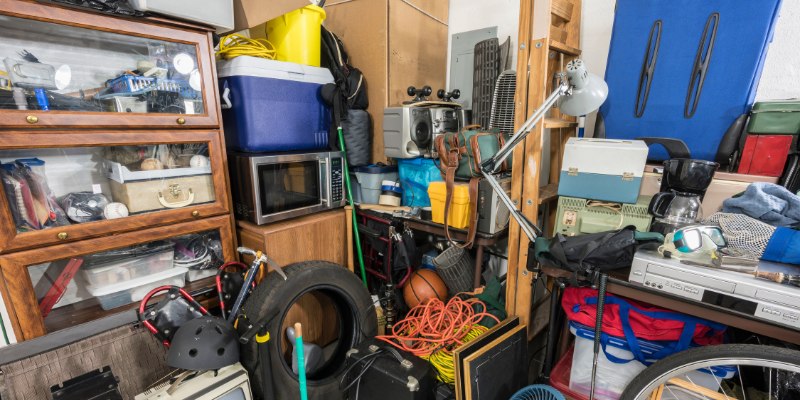
Picture a hoarder house in Kannapolis where every room is stacked floor to ceiling, the HVAC hasn’t worked in years, and the garage holds what appears to be 40 years’ worth of newspapers and broken appliances. A family just got the call that their mother is moving into a memory care facility, and now they’re standing on the front porch, wondering how on earth they sell this place. This is where most of these conversations start for me, and I’ve never once walked away from that first porch conversation thinking it was straightforward.
Understanding the Reality of Selling a Hoarder’s House in North Carolina
Clean house, list it, done. This is the plan most sellers picture, and for a standard property, it works fine. A hoarder’s house breaks that plan before you even get to step two. Listing can’t happen until the cleanout does, the cleanout uncovers problems nobody priced for, and those problems push the timeline out by months. Meanwhile, property taxes keep coming, utilities stay on, and insurance companies start asking questions when the house sits vacant (sometimes within 30 to 60 days).
North Carolina’s median home sale price currently sits around $382,500 according to NC REALTORS, and that number looks appealing on paper. But a hoarder house doesn’t sell at the median. It sells at whatever price survives an inspection, an appraisal, and a buyer who hasn’t walked away at the first smell. Sellers consistently underestimate how far below market a distressed property will land once all those filters run their course. The gap between expectation and reality is where the real stress lives, and I’ve watched it blindside sellers who were certain their price was reasonable.
If cleaning out and repairing a hoarder’s house feels overwhelming, North Shore Cash Offers can help. We buy hoarder houses in any condition throughout North Carolina, so you can sell your home as-is without paying for cleanouts, repairs, or staging. Reach out to us today for a no-obligation cash offer and see how simple the process can be.
What You’re Actually Dealing with When You Inherit or Own a Hoarder House in North Carolina
And that stress compounds fast once you start uncovering what the hoarding has hidden. The clutter itself is almost the least of it. Years of belongings stacked against walls trap moisture, and North Carolina’s humid summers accelerate that damage faster than in drier climates. Mold grows behind drywall that looks fine from the outside. If that’s what you’re facing, here’s what’s involved in selling a house with mold in North Carolina. Rodents and insects move into undisturbed corners for years without anyone noticing. Floors can carry more weight than they were built for, and you won’t know until the pile comes out and you see the sag in the subfloor (sometimes a serious one).
Hoarding disorder is recognized as a mental health condition by the National Institute of Mental Health, and the physical consequences it leaves on a property reflect the severity of the disorder. A house where someone kept extra boxes is very different from one that had animal hoarding or unsanitary conditions. I’ve walked properties where I couldn’t tell the condition of the kitchen floor until week three of the cleanout, by which time the repair scope had doubled from the original estimate.
What this means practically: sellers need to budget for surprises, not just the stuff they can see.
What Does It Really Cost to Clean Out a Hoarder’s House in North Carolina?
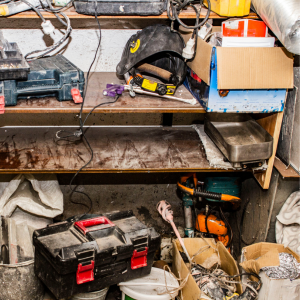
A seller I worked with recently got a contractor offer to renovate the kitchen in her Concord home, and the number he handed her was more than the kitchen renovation would add to the sale price. Nobody mentions that trap when they say “just fix it up before you list.” The math doesn’t always close.
Cleanout costs in North Carolina scale with severity. A cluttered but walkable house where every room is accessible might run between $3,000 and $8,000 for a professional crew. Once you’re in a territory where some rooms are completely blocked, pest evidence is present, or the crew can only move through narrow pathways, costs climb to $8,000 to $15,000. Severe cases with biohazards, animal waste, or structural compromise can reach $30,000 or more, and biohazard remediation companies in North Carolina charge separately on top of that figure for mold and contamination work (two separate invoices, not one).
After the cleanout comes what it uncovers. Flooring replacement, subfloor work, drywall repair, plumbing fixes: add another $10,000 to $40,000, depending on what was hiding underneath. Sellers who budget only for the removal stage routinely face a second round of unexpected costs two weeks into the process (sometimes less, in bad cases). If those combined numbers eat up most of what the renovation would add to the sale price, selling as-is isn’t settling. It’s arithmetic.
Contact us today to receive a fair cash offer for your home. We buy houses as-is, so you can avoid costly cleanouts, repairs, and renovations while selling on your timeline.
What North Carolina Health and Safety Codes Mean for Hoarder House Sellers
Local code enforcement will move on a severely hoarded property whether you’re ready or not.
North Carolina municipalities give code officers real authority to cite properties that pose health hazards to neighbors and occupants. North Carolina General Statute Chapter 160D gives local governments broad power to require remediation of unsafe structures, and counties from Mecklenburg to Wake to Forsyth have used it. A property found to be infested with pests, structurally compromised, or unsanitary can be declared a public nuisance, prompting the city to act and bill the owner. That bill attaches to the property as a lien, and it travels with the title no matter who buys it next.
Sellers are also legally liable for disclosure. North Carolina’s residential property disclosure law requires sellers to disclose known material defects, and known mold, pest infestations, and structural issues all qualify. Skipping disclosures to speed a sale creates legal liability that follows you after closing. A buyer who discovers concealed defects can come back. Cash buyers who purchase as-is typically include language in the contract that addresses the property’s current condition, which protects sellers from that exposure.
Are you sure you know what defects you’re required to disclose? If not, that’s a conversation to have with a real estate attorney before you list.
How North Carolina Property Values Are Affected by Hoarding Conditions

A three-bedroom brick ranch in Greensboro’s Sunset Hills neighborhood listed at market value sits at the top of every buyer’s search. The same house, same street, same square footage, with hoarding conditions visible from the front door, sits ignored for months and sells for a fraction of the median.
Appraisers work from comparable sales and adjust them downward for condition. A hoarder house that can’t be safely walked during an appraisal may not appraise at all, which kills financing for traditional buyers. Conventional lenders follow FHA property condition guidelines that flag health and safety hazards as grounds for loan denial. That restriction immediately eliminates a large share of the buyer pool, leaving only cash buyers and investors who price accordingly. Sellers in Charlotte’s Derita neighborhood or Durham’s Walltown area who’ve tried listing as-is on the MLS have found that retail buyers with financing simply can’t complete the purchase even when they want to (and I’ve watched transactions collapse at the last minute for exactly this reason).
Property value recovery after a full cleanout and renovation is real, but it takes time and money upfront, and Redfin data for North Carolina shows a median days-on-market of 62 for standard homes. A distressed property can sit well past that without the right buyer, making investor home buyers in North Carolina a practical option for homeowners who want to sell as-is and avoid months of carrying costs.
The Emotional Weight of Selling a Hoarder’s House Nobody Warns You About
For a long time, I thought sellers mostly wanted someone to solve the financial problem. The financial piece matters, but the emotional weight of selling a home filled with a family member’s belongings is often what slows the whole process down (sometimes for months longer than expected).
A couple of weeks ago, I met with the Henderson family in Wendell, just east of Raleigh, after their father had transitioned to assisted living. We walked into a three-bedroom house on a Tuesday afternoon, and his garage still held every tool he’d ever owned plus a riding mower that hadn’t run in a decade. The daughters weren’t ready to call any of it trash. It’s not a character flaw; that’s grief working itself out through objects (tools especially carry that weight). Selling couldn’t move forward until they gave themselves permission to let go, and that took longer than any repair timeline.
Do you have a plan for who will make those calls about what stays and what goes? If the answer is “we’ll figure it out,” the process will stall. Families who decide those things before the cleanout starts move faster and fight less. Setting a rule like “one box per person for keepsakes” sounds cold until you realize it’s the thing that keeps siblings talking six months later (and actually wanting to split holidays).
Can You List a Hoarder House on the MLS in North Carolina?

Agents are required to disclose material defects to prospective buyers, so anything a cleanout would uncover is included in the paperwork before a traditional buyer makes an offer.
Technically, yes, any seller can list a hoarder house on the MLS or go the FSBO route. The challenge isn’t the listing; it’s the sequence of problems that follows. Photos of a hoarder’s house either show the reality and scare buyers off immediately, or they’re taken from strategic angles that leave buyers shocked and walking out of showings (I’ve seen agents try both). Both outcomes waste everyone’s time. Buyers who tour and back out sometimes leave online reviews that follow the listing.
Real estate agents who specialize in distressed properties exist and can help, but most traditional realtors aren’t set up to handle them. They’re built for move-in-ready homes. An agent asking for staging advice in a house where you can’t see the carpet is giving you advice designed for a different situation. MLS listings for hoarder houses in North Carolina typically sit on the market longer than the market average and often sell for less after months of carrying costs. If you want to avoid repairs, cleanouts, and extended market time, working with a cash-for-houses company in Charlotte and other North Carolina cities can provide a straightforward as-is sale with a competitive cash offer and a closing timeline that fits your needs.
Why Most North Carolina Homeowners Sell Hoarder Houses As-is for Cash
“But won’t I lose money selling as-is?” That’s the question nearly every seller asks, and it’s fair. The short answer: maybe a little on paper, but rarely in practice once all the costs of the alternative are counted.
Carlos Mitchell came to us with a home in Holly Springs on a Friday, after a general contractor had walked through and handed him an estimate that was larger than what the finished renovation would add to his appraised value. The garage alone had floor-to-ceiling tools, equipment, and materials from a business his father had run for decades. Carlos had spent two weekends trying to sort through it and realized he’d need months more. A cash sale let him close on his timeline, skip the cleanout and repair costs, and move forward. He walked away with more certainty than the renovation path had ever offered him, which, in my experience, is worth more to most sellers than an extra few thousand dollars on paper.
Cash buyers purchase hoarder houses in their current state. If you’re considering selling a house without inspection, working with a cash buyer can help you avoid many of the delays that come with a traditional sale. There are no inspections that can derail the transaction, no lender-required repairs, and no months spent overseeing renovations just to satisfy a buyer. Companies like North Shore Cash Offers work with North Carolina homeowners facing all kinds of situations, including inherited properties, vacant homes, estate sales, and houses that aren’t likely to pass a conventional inspection. Instead of negotiating after an inspection uncovers new issues, you’ll receive an offer based on the home’s current condition, making the process faster, simpler, and far more predictable. If the house is still tied up in court, selling a probate house in North Carolina involves a walk-through of what the executor has to clear first.
Sellers who’ve tried the traditional route and stalled almost always say the same thing: they wish they’d asked about the cash option earlier rather than spending months and money on a process that didn’t close.
Selling a hoarder house in North Carolina comes with challenges that most homeowners never expect. Between cleanup, hidden repairs, legal disclosures, financing limitations, and emotional decisions, the process often takes longer and costs more than anticipated. Understanding these obstacles ahead of time allows you to weigh your options realistically, avoid costly surprises, and choose the selling approach that best fits your timeline, budget, and goals. No matter which path you choose, making informed decisions early can help reduce stress and lead to a smoother, more successful sale.
Frequently Asked Questions
Can You Sell a Hoarder House?
Yes, hoarder houses sell regularly. Your two main paths are cleaning it out and listing it with an agent, or selling it as-is directly to a cash buyer or real estate investor. The right choice depends on how much time, money, and energy you have available. Many North Carolina sellers find the as-is route nets them comparable or better results once cleanup and holding costs are removed from the equation.
What Taxes Do You Pay When You Sell a House in North Carolina?
North Carolina does not charge a state transfer tax on home sales the way some other states do, but sellers do pay a deed of trust excise tax (sometimes called a revenue stamp), currently set at $1 per $500 of the sale price by the North Carolina Department of Revenue. If you’ve owned the property and it wasn’t your primary residence, federal capital gains tax may also apply. Talking to a CPA before closing helps you understand your specific exposure.
Can a Hoarder’s House Be Condemned?
It can. North Carolina municipalities have the authority under state statutes to declare a property unsafe or unfit for habitation, and severe hoarding conditions, including structural compromise, pest infestations, or unsanitary hazards, can meet that threshold. Once a condemnation order is issued, the owner faces a deadline to remediate or demolish, and the costs can be recovered as a lien if the city acts first. Selling before that process starts protects you from that outcome.
What Is the Hardest Month to Sell a House?
Across North Carolina, December and January tend to see the slowest buyer activity, with fewer people actively searching and more listings sitting without offers. Sellers who list a distressed property in winter add a seasonal slowdown on top of an already reduced buyer pool. Cash buyers purchase year-round, regardless of season, which is another reason sellers in a time-sensitive situation often prefer that route.
If you’re sitting on a property that feels impossible to move forward with, you don’t have to figure it out alone. North Shore Cash Offers works with homeowners across North Carolina and can walk you through your options without any pressure or obligation. Contact us at (910) 994-1100 to discuss your situation and receive a no-obligation cash offer for your home. Reach out when you’re ready. There’s no deadline for the conversation.
Helpful North Carolina Blogs
- Selling a Probate House in North Carolina
- How Much Does It Cost to Sell a House in North Carolina
- How to Sell a House Without a Realtor in North Carolina
- Selling a Hoarder House in North Carolina
- Can You Sell A House As Is Without Inspection in North Carolina
- Can You Sell A House With A Mortgage in North Carolina
- Selling A House With Delinquent Property Taxes in North Carolina
- How To Sell Your Rental Property In North Carolina
- Can You Sell a House in Foreclosure in North Carolina
- Selling A House That Needs Repairs In North Carolina
- Can You Sell A House With Mold In North Carolina