


Most people picture two options. Fix everything before listing, or take a lowball offer and walk away feeling beaten. Neither story is complete. Selling a house that needs repairs in North Carolina covers a lot of ground between those extremes, and knowing where you stand shapes how you sell.
What the Market Is Telling North Carolina Sellers Right Now
Your neighbor’s sign has been in the yard since spring. That’s not bad luck. Homes across North Carolina hit a median of 65 days on market in June 2026, up 14 days from a year earlier, per Redfin. If you’re holding a house with deferred repairs, every extra week costs you mortgage, taxes, insurance, and utilities.
North Carolina has officially crossed into a balanced market. NC REALTORS puts inventory at 6.03 months of supply, with active listings up 6.2% year over year and total sales down 13.2%. Median prices hold steady at $375,000. Sellers now negotiate against a deeper bench of competing listings, and a house that needs work faces a harder crowd than it did in 2022.
Charlotte tells a slightly different story. Canopy MLS reported a regional median sales price of $410,000 in May 2026, an appreciation that’s steady rather than explosive. No hot market is going to bail you out of an overpriced listing. In my experience, the gap between right-priced and wishful-priced is what closes a sale or kills it.
What Does Selling As-is Really Mean in North Carolina?
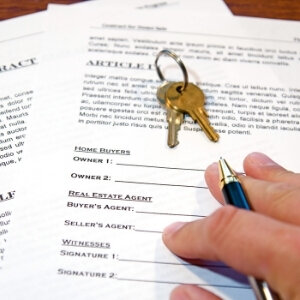
Writing “as-is” on a piece of paper doesn’t create an as-is sale. Most sellers don’t learn that until they’re already in trouble.
Noting “as is” on a disclosure statement changes nothing between buyer and seller. Actual contract language governs the conditions under which the property is delivered. If your purchase agreement doesn’t spell out as-is terms, you can still owe repairs or credits you assumed you’d escaped.
A house in North Carolina can be sold as-is, even with major safety issues. You still hand over the required disclosure forms, and you still can’t make misleading statements. Disclosures cover the roof, floors, structural components, and wood-destroying organism issues, based on your actual knowledge. “I didn’t know” gets scrutinized hard.
North Carolina is unusual here. It leans on a caveat emptor approach, yet still requires disclosures, unless buyer and seller mutually agree in writing not to complete the statement. That waiver is in the statute. It’s rarely used, and both parties have to agree before an offer is signed.
In practice, as-is means telling the buyer upfront that you won’t repair, credit, or renegotiate after inspections. They take the home in its present state. Set up correctly, that’s a clean, honest sale.
Why North Carolina Homeowners Choose As-is Sales
Spending tens of thousands on repairs you can’t afford, then watching a buyer negotiate down anyway, is demoralizing.
A while back, I got a call from an heir who’d inherited a craftsman bungalow in Cary. She was living out of state, three months behind on the mortgage, with a foreclosure auction already scheduled. Two old riding mowers sat in the garage. The house hadn’t been touched since her father passed. We closed on a Wednesday, and auction day fell the following Monday.
That scenario plays out more often than the data suggests. Illness, a death in the family, job loss, divorce, relocation: life doesn’t pause while you manage a renovation. Choosing to sell as-is has nothing to do with being naive or desperate. It’s math.
Other sellers just don’t want to gamble. Renovating before a sale means quotes, permits, delays, and a real chance somebody opens a wall and doubles your budget. With inventory up and homes sitting on the market longer in 2026, the payoff from pre-sale work isn’t what it used to be.
Why the “Don’t Fix What Buyers Will Change” Philosophy Works
Sit across from enough sellers at their kitchen table, and you hear the same plan. New floors, fresh paint, update the kitchen, then list. Nine times out of ten, that math doesn’t pencil.
Per the 2025 Cost vs. Value Report, a minor midrange kitchen remodel returns roughly 113% of cost. A major midrange remodel returns about 51%, and an upscale one closer to 36%. Bear in mind that what a contractor calls a minor kitchen remodel and what the report counts as one are two very different things. Buyers with taste will gut what you just installed, new cabinets included, and price that into their offer.
Not all renovation spending comes back to you. Cost-versus-value research has been consistent for years. Exterior replacements and modest kitchen updates deliver the strongest return at resale. Full gut renovations of discretionary interior spaces return more in personal enjoyment than in sale price.
Paint is almost always worth it. So is landscaping at the curb. A fresh coat on the front door and clean gutters cost a few hundred dollars and change, and make a first impression overnight. Past those cosmetic items, the ROI math gets murky, and pricing correctly usually beats renovating on speculation.
Pricing to Condition: the Math That Changes Everything
For a long time, I thought pricing a damaged house meant subtracting repair costs from the after-repair value. That’s part of it. Carrying cost and the cost of time were what I underestimated.
Fixr puts the average North Carolina kitchen remodel at $21,718, though the scope and materials can swing that hard in either direction. Add three to six months of mortgage, property taxes, insurance, and utilities while you wait on contractors, wait on permits, then wait on a buyer. Licensed plumbers across the Triangle charge roughly $85 to $150 an hour for daytime work, and they book out weeks in advance.
Price a distressed property against similar homes in similar condition, never against fully updated comps. Your real estate agent or broker can pull that comparative market analysis, but insist they use distressed sales. Plenty of agents default to best-case comps, which sets you up for price reductions you could’ve avoided.
Buyers and investors lean on the 70% rule as a starting point. They’ll pay up to 70% of the after-repair value minus estimated repair costs. That formula has to absorb financing, holding costs, contractor risk, and profit. Knowing what a buyer is calculating helps you judge whether an offer is fair.
Listing as-is on the MLS doesn’t guarantee a quick sale. Canopy MLS put the Charlotte region’s list-to-close timeline at 90 days in May 2026, up 2.3% year over year. Pricing to condition upfront is the only real way to compress that when your property needs work. Overpricing a distressed house just delays the inevitable.
North Carolina’s Disclosure Rules: What You Have to Tell Buyers
A seller called me once after she’d already accepted an offer. She’d spent the week before closing painting walls, not to hide anything, but because she thought fresh paint would help. While rolling, she found mold behind one of them. What she hadn’t done was update her disclosure. By closing day, she was in an uncomfortable legal position.
North Carolina’s Residential Property Disclosure Act is Chapter 47E of the General Statutes. It requires owners of residential real estate with one to four dwelling units to complete the Residential Property and Owners’ Association Disclosure Statement. The form covers defects in structure and systems: plumbing, electrical, HVAC, and roof. You aren’t required to hunt for problems you don’t know about. Anything you do know goes on the form. If anything on your disclosure becomes materially inaccurate before closing, correct it promptly.
For each question, you answer “Yes,” “No,” or “No Representation.” That last one means you’re making no statement either way. Convenient when you truly aren’t sure. Overuse raises red flags, especially when it comes to things about your own home you’d logically know. Used honestly, it can shield you from liability for fraud if a defect surfaces later.
The North Carolina Real Estate Commission develops the required forms and administers these rules. If you have any doubt about what to disclose, talk to an attorney before you sign.
Foundation, Structural, and Fire Damage: What Sellers Must Disclose
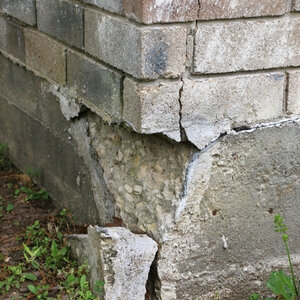
Sellers ask whether they really have to disclose a cracked foundation they’ve already had “stabilized.” Yes. Presenting cosmetic work as a structural fix is the fastest path to a fraud claim.
The RPOADS form asks about the structural integrity of the home, including the roof, foundation, and walls. Structural issues belong there, period.
Fire damage works the same way. If part of the home burned, even if you repaired it well, that history is a material fact. Insurers ask about prior fire damage when underwriting a new policy. A buyer who discovers it after closing won’t just be angry. They may struggle to get coverage at all.
We buy houses in as-is condition at North Shore Cash Offers precisely because we understand the work involved. Known structural issues are factored into the offer rather than becoming post-inspection leverage, which makes for a cleaner transaction when you have real problems to disclose.
Flood Zones and Water Damage Disclosures in North Carolina
A homeowner near Wilmington reached out about a rental she’d held for years along the Cape Fear corridor. A tenant had mentioned slow seeping in the crawlspace during heavy rain, but she’d never had it assessed. Crawlspace moisture is easy to ignore between tenants. When she went to sell, she wasn’t sure what she owed the buyer.
She owed a disclosure. Sellers have to account for damage from floods, storms, and landslides. Flood history and proximity to flood zones are material facts in North Carolina, and properties near the Cape Fear River, Wrightsville Beach, and Carolina Beach run into this constantly.
In a cash sale, disclosed issues are priced into the offer upfront rather than becoming post-inspection negotiation points. Telling a retail buyer about a flood issue through an agent usually triggers a renegotiation that can collapse the whole sale. A cash buyer already expects it.
North Carolina has seen repeated flooding, especially in eastern counties from Wilmington to the Outer Banks. If your property has flooded or is in a FEMA-designated flood zone, that goes on the form. Buyers can check flood zone status through FEMA’s Flood Map Service Center. That doesn’t relieve you of the obligation to disclose what you know about prior water events.
Termite Damage, Lead Paint, and Asbestos: the Hidden Defects Buyers Watch For
What if you suspect termite damage but have never had the property inspected?
The “no representation” option covers things you genuinely don’t know. If a neighbor told you about a swarm, or you’ve seen mud tubes near a sill plate, you know something. The present infestation of wood-destroying insects is exactly what the North Carolina disclosure form addresses. Actual knowledge belongs on the form.
Lead paint is federal, not just state. Any home built before 1978 is subject to the EPA’s disclosure rule, which requires sellers to provide buyers with a written disclosure and a lead hazard pamphlet before the purchase agreement is signed. This applies in as-is sales too. The EPA’s lead paint disclosure guidance spells out what’s required.
Asbestos sits in a different spot. North Carolina’s form addresses known environmental hazards and asbestos counts. Homes built before the mid-1980s may have it in insulation, floor tiles, or HVAC components. You aren’t required to test. If you know it’s there, it goes on the form.
Something I’ve noticed after buying houses across this state: sellers who get a pre-listing inspection do better in negotiations with retail buyers and investors alike. You know your number, and nobody can use mystery against you.
Code Violations, Unpermitted Work, and What Happens If You Don’t Disclose
An unpermitted addition in Greensboro added roughly 400 square feet to a house’s footprint. The square footage was never recorded in the tax record, and nobody had ever pulled a permit.
Unpermitted work is far more common here than homeowners realize, especially in houses built before the 1990s. Room additions, garage conversions, deck builds, HVAC swaps: most of that requires a permit, and plenty of owners skipped it. That history surfaces during inspections, and material items have to be disclosed.
Failing to disclose known issues can lead to serious consequences, including a buyer rescinding the sale or pursuing damages in court. Code violations follow the same path. Stay quiet about one, and the buyer can come back at you after closing with real legal options.
Your county’s building inspections department can tell you what permits are on record. Many North Carolina counties make that searchable online. Check it before you list.
Two Paths Forward: the As-is Seller’s Secret Weapon
Which option puts more money in your pocket? Most conversations about distressed properties skip the distinction between listing a property as-is on the MLS and selling directly to a cash buyer. That difference changes the math completely.
Listing as-is keeps you in the retail market. You’ll still get inspections, and most buyers still send a repair request after agreeing to an as-is price. Financing contingencies apply. Lenders won’t fund a loan on a home with significant structural issues, active mold, or a compromised roof, which severely shrinks your buyer pool. You end up competing for cash buyers anyway, on a longer timeline with more friction.
Selling directly to a local cash buyer like North Shore Cash Offers removes that friction. No inspections to negotiate around. No lender requirements. Nothing is falling apart at week six because a bank won’t underwrite the property. The offer reflects the home’s condition from the start, and what you sign is what you close on.
There’s a real tradeoff. A cash offer comes in under full retail because the buyer absorbs the repairs, holding costs, and the risk that the project runs long. Subtract repair costs, commissions, and months of carrying costs from the retail path, though, and the gap narrows considerably.
Neither path wins universally. It depends on your timeline, your finances, the severity of the repairs, and how much uncertainty you can absorb.
How to Sell a House That Needs Repairs in North Carolina
Some sellers expect to price at full market value, put “as-is” in the listing remarks, and watch offers roll in. Retail buyers make full-price offers, expecting a discount after inspection. That just pushes the negotiation to a worse moment.
Pre-listing inspections stay underrated. Knowing what’s wrong before you list gives you control of the conversation. Rather than reacting to a report a buyer commissioned to negotiate you down, you hand them a known quantity.
If you’re listing, find a real estate agent or broker with a track record of selling distressed properties in North Carolina. A general agent who mostly handles move-in-ready listings won’t perform the same. Ask about damaged and as-is sales specifically before you sign a listing agreement.
For homes with severe damage, foundation issues, fire or flood damage, major roof problems, or code violations, the MLS route usually serves sellers poorly. Thin buyer pool, prohibitive lender requirements, long timeline. A direct sale to a local cash buyer tends to be cleaner.
How to Sell Your House As-is in North Carolina: Fast, Easy, and Still Profitable

You reach out, share basic information about the property, and get a cash offer within 24 to 48 hours: no prep work, no staging, no open houses. The number accounts for the home’s condition from the start.
A seller in Wake Forest comes to mind. Splitting assets in a divorce, living alone in the house for months, and having no interest in a drawn-out listing. Aging HVAC, roof past its useful life. We walked the property on a Tuesday, and she was more worried about an old lawnmower and some golf clubs in the garage than the roof. By Friday, she had a written offer and a closing date she picked herself.
That’s the path in practice. Sellers choose their closing date, skip repairs and cleanup, and walk away with cash. Closing with a direct buyer takes two to three weeks, compared to a 65-day median time on market statewide, plus whatever closing takes after a contract is signed.
If your house needs work and you’re weighing your options, North Shore Cash Offers works with homeowners across North Carolina, from the Piedmont to the coast. That includes serving as a company that buys houses in Fayetteville, NC, and as cash house buyers in Concord, NC. You’ll get a straightforward offer, no pressure, and no obligation to accept.
Frequently Asked Questions
Is It Hard to Sell a House That Needs Repairs?
It can be if you go about it the wrong way. Listing a repair-needed home at market value and expecting retail buyers to look past the problems almost always ends in a long market time and price reductions. Price it to condition from the start, or sell directly to a cash buyer, and the process moves much faster than most sellers expect.
Does NC Have a Right to Repair Law?
No. North Carolina hasn’t enacted a right-to-cure or right-to-repair statute, unlike some states that have for new construction disputes. Courts look to the contract instead. In a standard residential resale, repair obligations come from the purchase contract itself, not a separate statute. A North Carolina real estate attorney can walk you through the contractual framework that applies to your situation.
How Long Are You Liable for a House After You Sell It?
In North Carolina, the statute of limitations for fraud runs three years under N.C.G.S. 1-52(9), and the clock starts when the buyer discovers the facts constituting the fraud, not on the closing date. Liability doesn’t end when you hand over the keys. Complete, honest disclosure remains your best protection.
What Repairs Are Needed Before Selling a House?
None are legally required in North Carolina. You can sell as-is. Active code violations or unpermitted work may complicate a financed sale, since lenders often won’t fund a mortgage on a property with unresolved safety issues. Selling to a cash buyer removes those constraints. Focus on honest disclosure and accurate pricing rather than trying to repair your way to a higher number.
If you want to talk through your options and get a sense of what your house is worth as-is, we’re here to help. No obligation, no pressure, no sales pitch. Just a real conversation about what makes sense for your situation. Contact us at (910) 994-1100 whenever you’re ready.
Helpful North Carolina Blogs
- Selling a Probate House in North Carolina
- How Much Does It Cost to Sell a House in North Carolina
- How to Sell a House Without a Realtor in North Carolina
- Selling a Hoarder House in North Carolina
- Can You Sell A House As Is Without Inspection in North Carolina
- Can You Sell A House With A Mortgage in North Carolina
- Selling A House With Delinquent Property Taxes in North Carolina
- How To Sell Your Rental Property In North Carolina
- Can You Sell a House in Foreclosure in North Carolina
- Selling A House That Needs Repairs In North Carolina
- Can You Sell A House With Mold In North Carolina