![Sell A Fire-Damaged Home [market_city]](https://image-cdn.carrot.com/eyJidWNrZXQiOiJwcm9kdWN0aW9uLmNhcnJvdC11cGxvYWRzLm9uY2Fycm90LmNvbSIsImtleSI6InVwbG9hZHMvc2l0ZXMvODE5MzIvMjAyNi8xMC9TZWxsLUEtRmlyZS1EYW1hZ2VkLUhvbWUuanBnIiwiZWRpdHMiOnsicmVzaXplIjp7IndpZHRoIjoxMTUyfSwidG9Gb3JtYXQiOiJ3ZWJwIiwid2VicCI6eyJxdWFsaXR5Ijo3MH19fQ==)

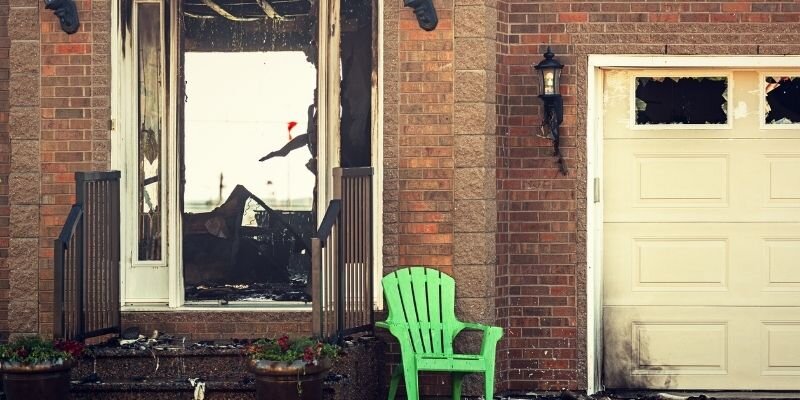
Smoke gets into everything. It rides up through wall cavities, settles into attic insulation, and parks itself in the subfloor under a kitchen that looks fine from the driveway. A fire that burned for eleven minutes can leave a house that needs eleven months of work.
That gap between what you see and what a contractor finds is where North Carolina sellers get stuck. You’re caught between an insurance adjuster’s estimate and a mortgage payment that keeps showing up. I’ve bought houses in exactly that shape, from mill cottages in the Piedmont to brick ranches off the beltline, and the process here has its own quirks.
What Is a Fire-damaged House in North Carolina?
For years I judged a fire-damaged house by the char line. I was wrong nearly every time.
Heat and water do separate jobs on a structure, and the water usually does more lasting harm. Fire crews pour a lot of water into a house to knock down even a kitchen fire, and all of it runs downhill through joists, drywall, and crawl space. Wet materials can start growing mold within a day or two if nobody dries them out. Carolina humidity speeds that along, so mold can colonize framing the flames never touched. If that’s already happened, it’s worth reading up on whether you can sell a house with mold in North Carolina before you list.
Damage tends to land in a few buckets. Surface soot and smoke odor sit at the light end, where the structure held and the trouble is contaminated finishes, ductwork, and insulation. Next comes partial structural loss: a collapsed section of roof, or charred load-bearing members that need an engineer before anything else happens. At the far end sits the total-loss property, where rebuilding would cost more than the structure is worth.
Total loss is an insurance label, not a verdict on the land underneath. A cleared lot in a tight Durham or Asheville neighborhood can be worth more than the tired house that stood on it. I’ve written offers where the dirt carried the whole price.
Older housing stock makes fire behave in particular ways. Mill houses around Kannapolis and Rocky Mount often went up with balloon framing and no firestopping, so flames can race from wall to attic. Postwar brick ranches hide their damage well, since the masonry shell looks untouched while the trusses above are cooked. Smoke odor is its own stubborn animal, and paint plus an ozone machine rarely seals it.
Where a blaze starts matters too. One that begins in an attached garage often reaches the attic first, while a kitchen blaze pushes heat and smoke along the ceiling into the rest of the house. Two homes with the same floor plan can come out looking nothing alike, which is why no two burned houses get priced the same way.
Before you decide anything, get someone to look past the finishes. A restoration contractor or structural engineer can walk the house in an afternoon. They’ll tell you if the framing is sound, if the electrical panel and branch wiring took heat, and if the HVAC system pulled soot into every supply run. That opinion costs little next to a wrong guess. It also gives you something concrete to hold up beside the adjuster’s number.
What Should You Do After a House Fire in North Carolina?
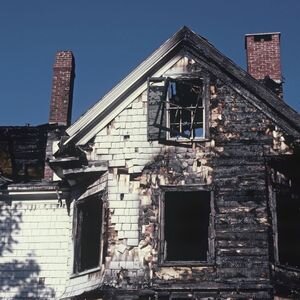
The Office of State Fire Marshal counted 159 civilian fire deaths statewide in 2025. Its report came out in February 2026 and showed 2026 already trending higher. Property losses come out of those same incidents, and the first week afterward shapes everything that follows.
Get the incident report from the responding department. Your local fire marshal’s office can tell you when it’ll be ready and what a copy costs. Buyers, adjusters, and attorneys all want that document, and chasing it eight months later is a headache.
Call your insurance company right away, even before you know what you’ll do with the property. North Carolina’s standard fire policy asks for immediate written notice of a loss, and a late claim gives a carrier room to argue. Ask for a certified copy of your policy while you’re on the phone. Plenty of owners find out the original burned up with the filing cabinet.
Find out whether your coverage pays replacement cost or actual cash value. Actual cash value subtracts depreciation, so the two settlements can land far apart on the same house. That gap often decides whether rebuilding is even on the table. The North Carolina Department of Insurance publishes a plain-language consumer guide to homeowner’s insurance that explains coverage types and how to file a complaint.
Board up the property’s openings and tarp the roof. Carriers expect you to prevent further damage, and that spending is usually reimbursable. Save receipts.
Then handle the housekeeping nobody thinks about in week one. Have utilities cut or transferred so you aren’t paying to heat open studs, and forward your mail. Ask your agent if the policy covers additional living expenses while you’re displaced. Keep one folder, paper or digital, for the incident report, claim number, adjuster’s name and direct line, and every photo you take. Sellers who kept that folder move fast at closing. Sellers who didn’t spend weeks rebuilding it.
One mistake I see often is tossing damaged contents before the adjuster documents them. Photograph everything first, including closets and the garage. If you and your insurer end up far apart on the amount of loss, you’ve got a tool. North Carolina’s standard fire policy, set out in Chapter 58, Article 44 of the General Statutes, lets either side demand an appraisal. Each side picks an appraiser, those two pick an umpire, and any two of the three can set the amount.
Can You Sell a Fire-damaged House in North Carolina?
Yes. No statute in this state stops you from selling a burned house, and anyone who says otherwise is guessing.
You can sell at any point: before the adjuster finishes, mid-claim, after the check clears, or with debris still in the yard. What you can’t do is hide the damage. Most residential sellers here owe the buyer the Residential Property and Owners’ Association Disclosure Statement under Chapter 47E. It’s due no later than when the buyer makes an offer, and skipping it can hand the buyer a short window to cancel and get the deposit back. Limited exemptions exist under 47E-2, such as certain estate and foreclosure transfers, and an attorney can tell you if yours qualifies.
Fire history stays with a house. The disclosure form treats structural issues and fire damage as material facts even after repairs, and NC REALTORS has explained that listing agents still have to disclose them. Restore the place to showroom condition and the history still comes up. That alone kills a lot of rebuild-and-flip math before it starts.
Going as-is doesn’t change the paperwork either. As-is means you won’t make repairs or give credits for condition. It never means staying quiet about what you know. The same rules hold when you’re selling a house that needs repairs in North Carolina for reasons that have nothing to do with a fire.
I’ve sat at plenty of kitchen tables with owners who assumed a fire made their house unsellable. Usually the property still sells. It just goes to a smaller pool of people, on different terms.
Financing is what stalls most listings. Conventional, FHA, and VA lenders want a habitable home with working systems, and a fire-damaged house usually fails that test. So the buyer pool shrinks to people paying with their own money.
What Are Your Options for Selling a Fire-damaged House in North Carolina?
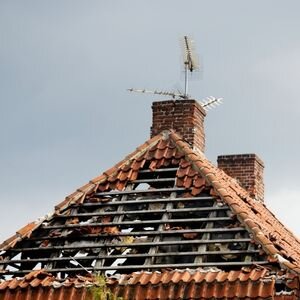
Start with a detail most owners miss. Your mortgage lender’s name is on the insurance check next to yours. Many servicers deposit that money in a restricted account and release it in draws as repairs pass inspection, so the payout you think you’re holding may not be spendable. Call your servicer’s loss draft department early. Ask how a sale changes their handling, how much goes to the payoff, and what they need to release the rest at closing. Get the answer in writing if you can.
Four realistic paths are open, and each fits a different situation.
Full restoration plus a traditional listing makes sense when damage is contained, insurance is paying well, and you can carry the costs for several months. This kind of restoration is specialty work, nothing like a kitchen remodel, and good contractors book up fast.
Listing the property as-is on the MLS mostly draws investors, plus the occasional brave retail buyer with cash. Expect slow showings and contracts with long inspection periods. In Raleigh, Redfin reports a median sale price of about $415,000 for the three months ending September 2026, with homes taking roughly 44 days to sell. A damaged house adds weeks to that clock.
Selling direct to a local cash buyer trades top dollar for certainty and speed. That’s where a local company like North Shore Cash Offers can help. We underwrite condition instead of running from it, and a contract with no appraisal and no lender attached closes on your calendar. If your property sits east of Raleigh, we buy houses in Clayton and the towns around it in every kind of condition.
Then there’s the land itself. If the structure is gone, you’re marketing a lot with utilities already stubbed in, which can appeal to small builders in infill neighborhoods. Durham sees plenty of that infill demand, and owners there who’d rather skip the marketing can sell their house fast in Durham for cash.
One more path gets overlooked: settle the claim, keep the proceeds, and sell the damaged house separately. That combination sometimes nets more than either move alone, though your lender’s payoff rights come first.
Who Buys Fire-damaged Homes as Is in North Carolina?
List a burned property and the calls start within a day. Most callers aren’t serious. Wholesalers want a contract they can assign to someone else, neighbors want a look inside, and a contractor or two wants the restoration job rather than the deed.
Sorting the serious from the noise saves you weeks. Local flippers with crews already working your county buy these properties regularly, and so do small builders after the lot. Landlords with rehab budgets will take smoke damage if the bones are sound. Land buyers step in on total-loss properties where demolition is the first line item.
The sellers who get burned twice usually sign with whoever names the highest number. A wholesaler’s contract often carries a long inspection window and an assignment clause. If nobody picks up the contract, you’re back at square one, a month poorer. Ask any buyer two questions: are you buying this yourself, and can you show proof of funds today?
Charlotte shows how long even healthy listings sit. Redfin puts the median sale price there at roughly $420,000 for the three months ending September 2026, with a median of 58 days on market. Those houses have intact roofs, and damaged property sits longer.
A buyer who’s done this work asks about the fire report, the claim status, and whether anyone has inspected the structure since. Anyone vague who never mentions insurance probably hasn’t bought a fire-damaged property before. Read the contract for escape hatches, too. A short due diligence period and a deposit that goes hard quickly tell you someone plans to close. Ask for two addresses of fire-damaged properties they’ve bought, then go look.
I’ve watched out-of-state operators tie up properties across eastern North Carolina sight unseen, then renegotiate hard once their inspector files a report. A local buyer knows the ground. In Wayne County, working with established cash home buyers in Goldsboro means the person making the offer already knows the area. A buyer who knows what Guilford County permitting costs and how long Wilmington inspections take gives you a number they can stand behind.
Why Sell Your Fire-damaged House in North Carolina for Cash?
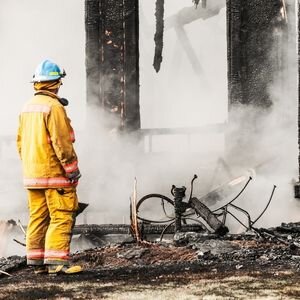
A cash offer on a burned house comes in below what the restored property would bring, and nobody should pretend otherwise. The buyer takes on remediation, permits, holding costs, and the risk that the framing is worse than it looks. I’ve seen that last one happen more often than not. The discount is the price of moving all that uncertainty off your shoulders.
Run both paths side by side and the math gets uncomfortable fast. Listing means months of mortgage payments, property taxes, utilities to keep the structure dry, and vacant-property insurance at a premium. Agent commissions come off the top, and buyers of damaged property negotiate hard after inspection. Once you count the calendar, the retail path can net less than the cash number.
Some owners can’t afford to wait. Foreclosure timelines don’t pause because your house burned. Estates with several heirs lose money while everyone debates. A homeowner paying for both the damaged house and the rental they moved into feels it every month.
Cash buyers also skip the appraisal entirely. No underwriter compares your property to polished comps that look nothing like it. The offer reflects the property’s condition and the value of the lot, nothing fancier.
Wilmington’s slowdown makes the point. Redfin’s data for the three months ending September 2026 put the median there at 55 days on market, up from 32 days a year earlier. Slower markets punish sellers who need out.
One honest caveat. If your settlement fully covers restoration and you have the time and temperament to manage contractors, rebuilding can be the smarter call. I’ve told sellers that to their faces and passed on buying their houses because of it.
How Fast Can You Sell Your North Carolina House as Is Today?
Condition rarely sets the pace. Paperwork does.
Speed comes down to title and decision-making. A clean title with one owner and no liens can often close in a week or two with a cash buyer. Add an estate without letters testamentary, a divorce decree nobody recorded, or an old judgment lien, and the attorney can’t record a clean deed until those are cured. Pull your deed, mortgage payoff, and any estate paperwork before you call anyone. That hour of gathering documents moves the closing date more than anything else you control.
Make the list concrete: the recorded deed, a current payoff statement from every lienholder, the fire report, your policy number and adjuster’s contact, and any unpaid tax or city nuisance notices. If the owner has passed, add the death certificate and estate file number. When more than one person holds title, find out early who can sign and whether anyone lives out of state. A sibling in another time zone who needs a notary is a common reason a simple closing slips a week.
Don’t ignore the insurance claim either. With the claim still open, you can usually still sell, though the carrier and your lender both have an interest in the proceeds. Before you sign a contract, decide whether you’re assigning the claim to the buyer or keeping the settlement and selling the structure as it sits. Either works. Switching mid-contract is what blows up closings.
North Carolina closings run through an attorney, which helps here. The firm handles the title search, payoff letters, and the excise tax at recording, so a buyer who has worked with that office keeps the file moving. Ask any buyer which closing attorney they use and how many fire-damaged properties that office has handled lately.
Frequently Asked Questions
Do I have to disclose the fire damage?
Yes, in practice. North Carolina’s disclosure statement lets owners check “No Representation” on many items, but that won’t protect you if you actively conceal a known material defect or misstate it. Disclose it, hand over the report, and move on. Cash investors expect it and price for it.
Can I sell while my insurance claim is still open?
Usually. Your mortgage servicer typically has to endorse claim checks, and the policy proceeds either stay with you or get assigned to the buyer by contract. Tell the buyer and the closing attorney about the open claim on day one so the settlement language gets drafted right before closing.
What if the payoff is more than the offer?
Then you’re looking at a short sale or bringing cash to closing, and the servicer has to approve. That happens more often than people expect after a total loss. A buyer who has negotiated with loss-mitigation departments is worth more to you than a slightly higher number from someone who hasn’t.
Who handles demolition and debris removal?
The buyer, on an as-is cash sale. You shouldn’t pay a contractor to haul out charred framing before closing, and you should be wary of anyone who asks you to.
How soon after the fire can I sell?
As soon as the fire department or investigating agency releases the scene and you have the report. North Carolina has no waiting period for a fire-damaged house.
Will I owe taxes on the sale or the insurance money?
Possibly. It depends on your basis, the settlement amount, and whether you qualify for the primary residence exclusion. Casualty loss rules are their own maze, so ask a CPA before you spend the proceeds, not after.
If you’re in the middle of all this and just want to know what the house is worth as it stands, contact us and I’ll go over the numbers with you. There’s no pressure to decide anything on the call, and if rebuilding turns out to be your better move, I’ll tell you that too.
Helpful North Carolina Blog Articles
- Can You Sell A House With Mold In North Carolina
- Selling A House That Needs Repairs In North Carolina
- Selling a House with Water in the Crawl Space in North Carolina
- Can I Sell My House and Still Live in It
- Can You Sell a House With a Lien in North Carolina
- How Long Does a Real Estate Contract Last in North Carolina
- How to File a Quitclaim Deed on North Carolina Real Estate